
Kinjek · by KinvalisIn development · not available yet
A calm picture of your parent’s day.
Kinjek is a few small sensors and a calm app for families whose mum or dad lives alone. One short note a day, and a notice only when a morning looks different from usual.
- The morning started at 7:40.07:40Like most days. · Hallway motion
- The kitchen was used at 8:05.08:05As on most mornings. · Kitchen motion
- All sensors reporting.09:30Last contact a minute ago. · Hub
Example wording from our product plan, not a product screenshot.
Honest by design
Three answers. Never a guess.
Kinjek compares today with your parent’s own usual rhythm and says one of three things. When it can’t tell, it says so, and it never mixes up “no activity” with “a sensor went quiet”.
- Usual
“The morning started at 7:40, like most days.”
- Different from usual
“No activity in the kitchen yet this morning. The sensors are reporting.”
- We can’t tell
“The hallway sensor hasn’t reported since yesterday evening.”
Example wording from our product plan. Kinjek describes a probable pattern, never certainty, and never who was there. At most one notice per finding a day, and a lie-in or a day out is not a notice. What happens next is always yours: usually a phone call.
How it works
Small sensors. A hub at home. One calm note.
- 1
A small starter kit
Two motion sensors, a front-door contact, a room-climate sensor and a pause button. Off-the-shelf parts, nothing to wear.
- 2
A hub that learns the usual
A small hub at your parent’s home learns their own rhythm over the first two weeks. Not anyone else’s, and not an average. Until then it shows the day and says it is still learning.
- 3
One note a day
A short daily story in the app at a time you choose, a weekly view to share with a sibling, and a notice only when something differs from your parent’s usual.
What families ask
The questions Kinjek is designed to answer.
Did the morning start?
Activity in the usual morning window, told apart from a sensor that has gone quiet.
Out, or back home?
The front door opened, and whether movement followed. Never where someone went.
Is the flat warm enough?
A living room colder than the range you chose, for example after a heating fault.
Is it all still working?
Low batteries, a quiet sensor or a hub that can’t be reached, shown first, always.
How was the week?
Seven days as one simple strip you can read on Sunday and share with your brother or sister.
For your parent
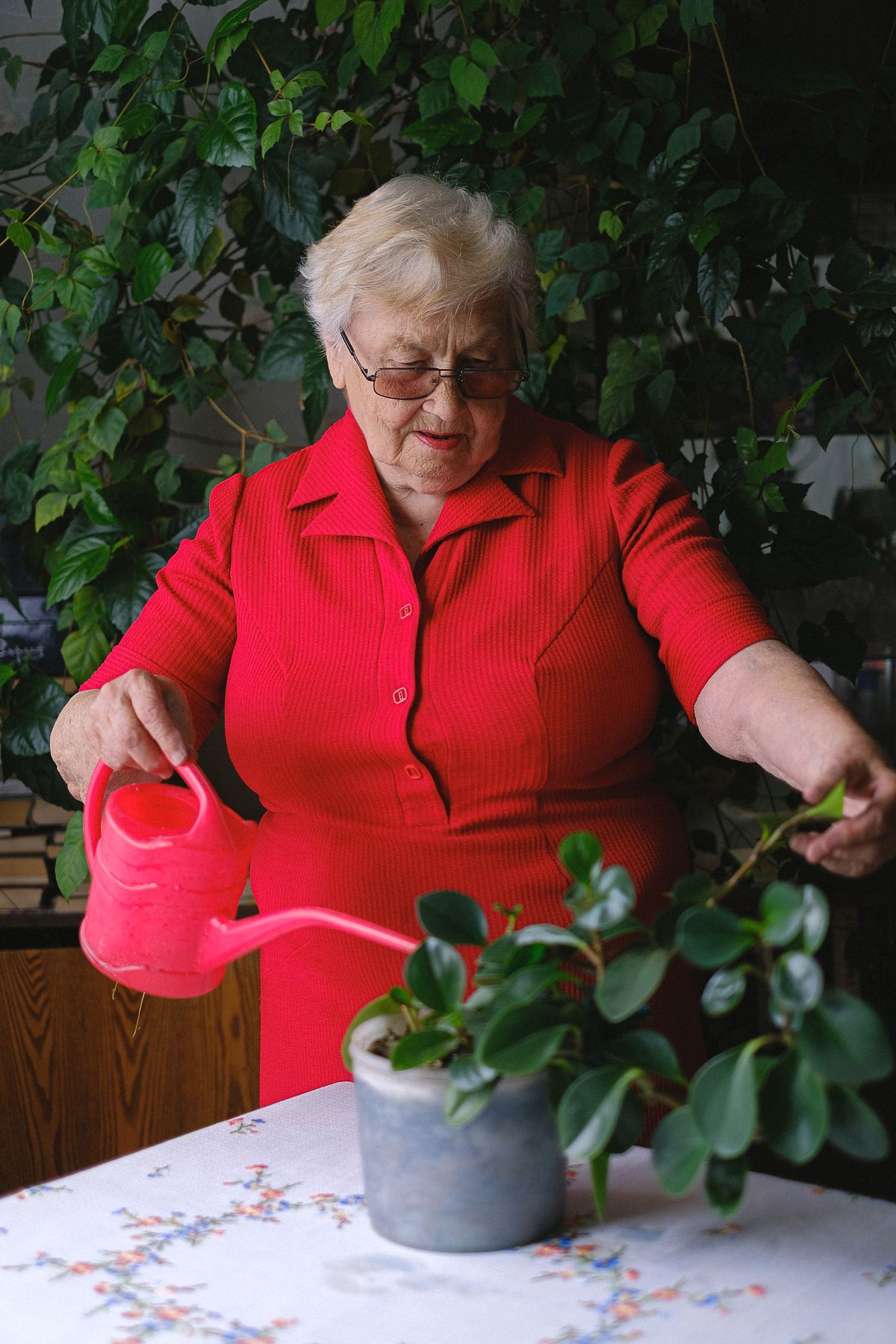
Built with your parent, not around them.
Kinjek only works with the agreement of the person who lives there. They know what the sensors notice, and they stay in charge.
- They agree firstA clear consent sheet in plain German, on paper and in the app, before anything is switched on. Signed by your parent, not by you.
- One button to pauseA button on the wall pauses everything for an hour or until tomorrow. The family sees “paused”, never the reason.
- Nothing to operateNothing to wear, press, charge or remember. No screen to learn, and no app needed for your parent.
- Rooms that stay privateNo sensors in the bathroom or bedroom by default. Your parent sees the same picture you do, and can stop it.
“It tells me once a day that your day looked familiar, and nothing else.”
For the family
Less checking in. Better conversations.
Instead of a daily “is everything alright?” call, you already know the day looked usual, and the call can be about everything else. Nothing escalates on its own: what happens after a notice is written down by your family, and Kinjek never calls anyone.
- You: Own the account and the kit; read the daily note.
- A sibling or partner: Sees the same picture and, if they like, the same notices.
- Your parent: Sees what is noticed, and can pause it.

Privacy
A family matter stays a family matter.
- History kept closeThe hub at home holds the household’s history (intended design).
- Export and deleteTake your data with you, or delete the account, from the settings.
- Named people onlyOnly the family members your parent agreed to see the day. No provider, no insurer, no one else by default.
FAQ
Questions families ask.
Can I buy Kinjek?
Not yet. Kinjek is in development: we’re building a first working version and will try it with real households before calling it a product. There are no prices or dates yet.
Does my parent need a smartphone?
No. The sensors work on their own, and the pause button sits wherever it’s handy. The app is for the family.
What does the family actually see?
A short daily note, a weekly view, and a notice only when something differs from your parent’s usual rhythm, or when a sensor stops reporting.
What if a visitor, the cleaner or a carer comes by?
More activity than usual is never a notice. Kinjek looks for the morning starting, the door, the room temperature and whether its own sensors are reporting; visitors are part of a normal day.
What about nights, holidays and hospital stays?
There are no notices at night by default. For a holiday or a hospital stay, you or your parent set an away mode: everything pauses except the line that says the sensors are still working.
Does my parent’s home need Wi-Fi?
Today, yes. Many parents’ homes have none, so an option without home Wi-Fi is on our list. It is not decided yet, and we will say so plainly when it is.
Who is behind Kinjek?
Kinjek is the first product line of Kinvalis, a Germany-based venture in development.
Follow Kinjek
Hear when there’s something to try.
A few emails a year about Kinjek’s progress, and an invitation when we look for households to try it. Unsubscribe any time.
Prefer to tell us something now? Share your experience
Email updates are coming soon.